
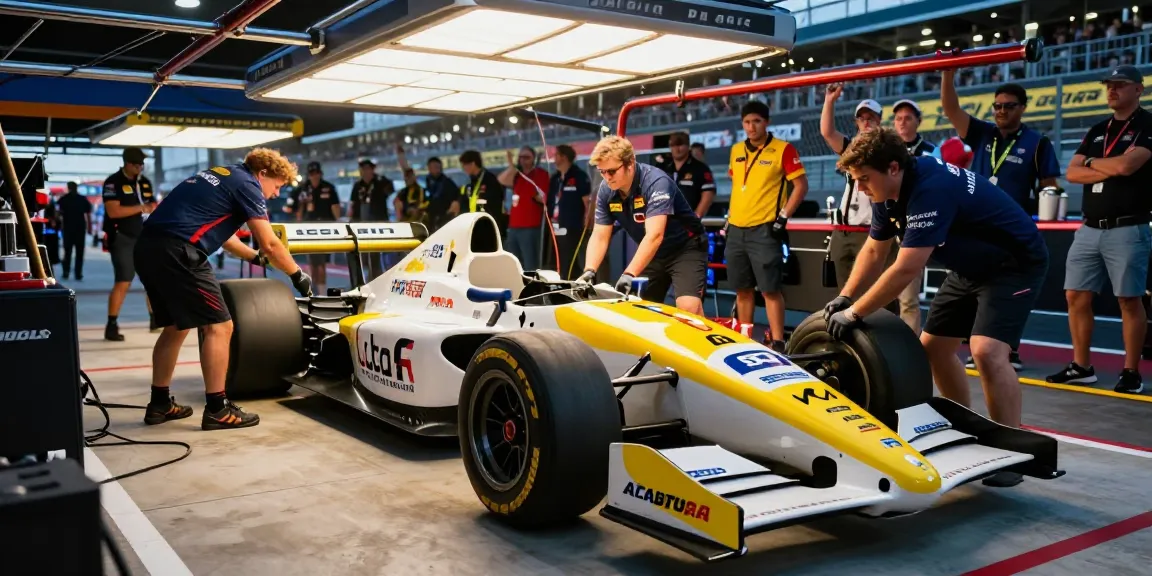
Understanding the LC88: History and Significance
The LC88 is a pivotal name in the world of Formula One, representing not just a vehicle, but a significant era in racing technology. Developed by Lola, the LC88 was known for its distinctive design and engineering that marked a transition period in Formula One racing. Introduced in the late 1980s, it showcased the innovation and challenges faced by racing teams during that time. In this article, we will explore the background, key innovations, and the lasting impact of the LC88 on the racing world. When exploring options, LC88 provides comprehensive insights into its legacy.
What is the LC88?
The LC88, launched during the 1988 Formula One season, was designed by Eric Broadley and the Lola team as part of the Larrousse F1 entry. It was powered by a Cosworth DFZ engine, which allowed for competitive performance on the track. Featuring a radical design, the LC88 was one of the first Formula One cars to incorporate features such as a flat floor and an enhanced aerodynamics profile that later influenced many subsequent models.
Key Innovations of the Lola LC88
The design innovations in the LC88 included improvements in aerodynamics and weight distribution, critical factors that contributed to its performance. The car’s low-slung shape and innovative suspension system allowed for better handling dynamics, especially on high-speed circuits. Notably, the LC88 was one of the first to explore the use of composite materials in its bodywork, enhancing both strength and weight efficiency.
Impact on Formula One Racing
The introduction of the LC88 heralded a shift in racing strategies, emphasizing the importance of aerodynamics and chassis design. Its introduction coincided with a period of increased competition, as various teams raced to innovate upon existing designs. The LC88’s influence is seen in the way modern Formula One cars are designed, particularly in integrating aerodynamics with engine performance.
Technical Specifications of the LC88
Engine and Performance Metrics
The LC88 was powered by the Cosworth DFZ engine, a V8 powerhouse that produced around 600 horsepower. The engine’s performance was complemented by a lightweight chassis, allowing the car to achieve impressive speeds. With a top speed of approximately 320 km/h (200 mph), the LC88 could compete effectively against other leading cars of its time. The combination of power and handling made the LC88 a notable car in the racing scenes of the late 1980s.
Design Features and Aerodynamics
The LC88 featured distinctive design elements that lent themselves to superior aerodynamics. The car’s flat underside and side skirts helped create ground effect, allowing it to generate downforce at high speeds. This design approach was revolutionary at the time and paved the way for future developments in Formula One aerodynamic philosophy. The overall weight of the car was strategically minimized, which was crucial for its handling and acceleration.
Comparison with Other Formula One Cars
When compared to contemporaries like the McLaren MP4/4 and the Williams FW12, the LC88 showed strengths in agility and grip but was often outpaced in raw power. The MP4/4, driven by Senna and Prost, showcased superior engineering efficiency, leading to its dominant performance in the 1988 season. Nevertheless, the innovations introduced with the LC88 contributed to the evolving design paradigms of Formula One vehicles.
LC88 in Action: Race Performance Analysis
Memorable Races Featuring the LC88
During its run, the LC88 participated in several memorable races, with its most notable performance occurring during the 1988 season. The car managed to secure points in various races, showcasing its potential against the more dominant teams. Races such as the British and German Grands Prix exemplified its competitive ability, even if its overall standings reflected the intense competition of that year.
Driver Experiences and Insights
Driving the LC88 presented unique challenges and experiences for the pilots at the time. Notably, drivers like Philippe Alliot shared their insights on handling the car, emphasizing its distinct balance and responsiveness. Reports from the pit lane indicated that while the LC88 was not the fastest on the straights, its cornering capabilities made it a joy to drive, especially on twisty circuits.
Performance Challenges and Solutions
Despite its innovations, the LC88 faced several performance challenges, primarily related to reliability and engine tuning. Early models experienced issues with overheating, which the team addressed with upgrades in the cooling system. Continuous refinement of the chassis and suspension settings helped improve tire wear, an ongoing concern during races.
Future Implications of LC88 Technology
How LC88’s Innovations Influence Modern Cars
The innovations incorporated in the LC88 have had a lasting influence on modern Formula One cars. The principles of aerodynamics, weight distribution, and the use of composite materials are fundamental to today’s design strategies. Many contemporary teams have drawn from the lessons learned during the LC88’s development to enhance performance and safety in their vehicles.
Emerging Trends in Formula One Engineering
As we look towards the future, several emerging trends in Formula One engineering can be traced back to the principles established with the LC88. The integration of hybrid technology, advanced materials, and simulation-driven design reflects a continuing evolution of the sport. Teams are increasingly focused on sustainability while enhancing performance, echoing the innovative spirit of the LC88 era.
Predictions for Future Racing Technologies
Looking ahead, we can expect racing technologies to evolve with an emphasis on energy efficiency and cutting-edge aerodynamics. Innovations like active suspension systems and advanced telemetry will likely shape the next generation of Formula One cars, much like the LC88 did in its time. The continued exploration of artificial intelligence for vehicle setup and strategy further points to a future where technology plays an even more significant role in racing.
Frequently Asked Questions About LC88
What made the LC88 a unique vehicle in its time?
The LC88 stood out due to its combination of advanced aerodynamic features, a powerful engine, and innovative use of materials, which set a benchmark in Formula One design.
How does the LC88 compare to contemporary Formula One cars?
While the LC88 was competitive for its era, contemporary cars surpass it in terms of power, technology, and safety due to advancements over the decades.
What lessons can modern teams learn from the LC88?
Modern teams can glean insights on the importance of aerodynamic efficiency and the significance of continuous iterative design processes from the LC88’s development history.
Who were the notable drivers of the LC88?
Philippe Alliot was one of the notable drivers of the LC88, providing valuable feedback that contributed to the car’s development throughout its racing career.
Is the technology of the LC88 still relevant today?
Yes, many technologies and design philosophies introduced with the LC88 continue to influence modern Formula One engineering, particularly in aerodynamics and material usage.. Additionally, LC88 là gì? provides further details.

